
ONLINE • SELF-PACED • ACCESS ANYTIME
GOOD MANUFACTURING PRACTICES FOR CIDERY EMPLOYEES
Practical safety and quality training for staff
working at commercial cideries.
BUILD A STRONGER SAFETY CULTURE
Give cidery employees the practical knowledge they need to support safer production, consistent sanitation, and better product quality.
UNDERSTAND GOOD MANUFACTURING PRACTICES
Learn how current Good Manufacturing Practices apply throughout cider and perry production, including the eight key sanitary conditions and practices.
SUPPORT QUALITY AND CONSISTENCY
Understand how Good Manufacturing Practices, Quality Assurance, and Quality Control work together to protect the product, the production process, and the people involved.
RECOGNIZE RISKS EARLIER
Develop a stronger awareness of sanitation concerns, production risks, and the systems used to prevent problems before they affect safety or quality.
Through research-based, self-directed instruction and short quizzes, participants will build a foundational understanding of cGMPs, QA, QC, safety and sanitation principles as they apply across the cider manufacturing process.
Enroll now for $450 USDWHAT'S INSIDE THIS COURSE
-
Introduction
1 lesson- Introduction to the course
-
Know Your Initials: GMPs, QA, QC, HACCP
1 lesson- QA, QC, HACCP and GMPs
-
Understanding Good Manufacturing Practices
2 lessons- Good Manufacturing Practices, Part I
- Good Manufacturing Practices, Part II
-
Workplace Safety
2 lessons- Occupational Health and Safety Policies & Procedures
- Workplace Hazards
-
Standard Operating Procedures and Records
1 lesson- SOPs, SSOPs and Other Records
-
Test Your Knowledge!
1 lesson- Final quiz
Good Manufacturing Practices help cideries maintain sanitary production environments, protect product quality, and reduce potential food safety risks.
Throughout this training, participants will explore the eight key sanitary conditions and practices included within current Good Manufacturing Practices and learn how they apply throughout cider and perry production.
The course also introduces the essential principles of:
- Good Manufacturing Practices
- Quality Assurance
- Quality Control
- Food and production safety
- Sanitation procedures
- HACCP fundamentals
DESIGNED FOR CIDERY TEAMS
This course is ideal for:
- Production employees
- Cellar staff
- Packaging staff
- New cidery team members
- Seasonal employees
- Staff who require annual safety training
- Employees who support sanitation, production, or quality procedures
No previous cider production or food safety training is required.
REGISTRATION AND TRANSFER POLICY
Registrations for this course are non-refundable.
However, registration may be transferred to another employee from the same organization or moved to a different course month when needed.
STRENGTHEN SAFETY AND QUALITY ACROSS YOUR CIDERY
Give your team the foundational knowledge they need to understand sanitation responsibilities, follow Good Manufacturing Practices, and contribute to safer, more consistent cider and perry production.
BY THE END OF THIS COURSE,
PARTICIPANTS WILL BE ABLE TO:
- Understand the importance of Good Manufacturing Practices, Quality Assurance, and Quality Control throughout the cider and perry production process
- Recognize how effective GMP, QA, and QC systems help support product safety, process safety, quality, and consistency
- Develop a foundational understanding of the principles, methods, and practical applications of cGMPs, Quality Assurance, and Quality Control
- Identify and review how Good Manufacturing Practices can be implemented throughout the complete cider and perry manufacturing process
- Understand the role of sanitation and preventive controls within a working cidery environment

HOW YOU WILL LEARN
This course delivers clear, research-based instruction through a flexible, self-directed online format designed for working cidery staff.
Participants will learn through:
- Prerecorded course lessons
- Industry-specific examples
- Practical sanitation and production scenarios
- Explanations of the eight key sanitary conditions and practices
- Quality Assurance and Quality Control concepts
- Introductory HACCP principles
- Short knowledge-check quizzes
- Opportunities to review and revisit course material
The emphasis is not only on understanding Good Manufacturing Practices, but on recognizing how those practices apply throughout daily cider and perry production.
By connecting food safety, sanitation, quality systems, and production responsibilities, participants will be better prepared to support safer processes and more consistent products within their own cidery.
YOUR INSTRUCTORS
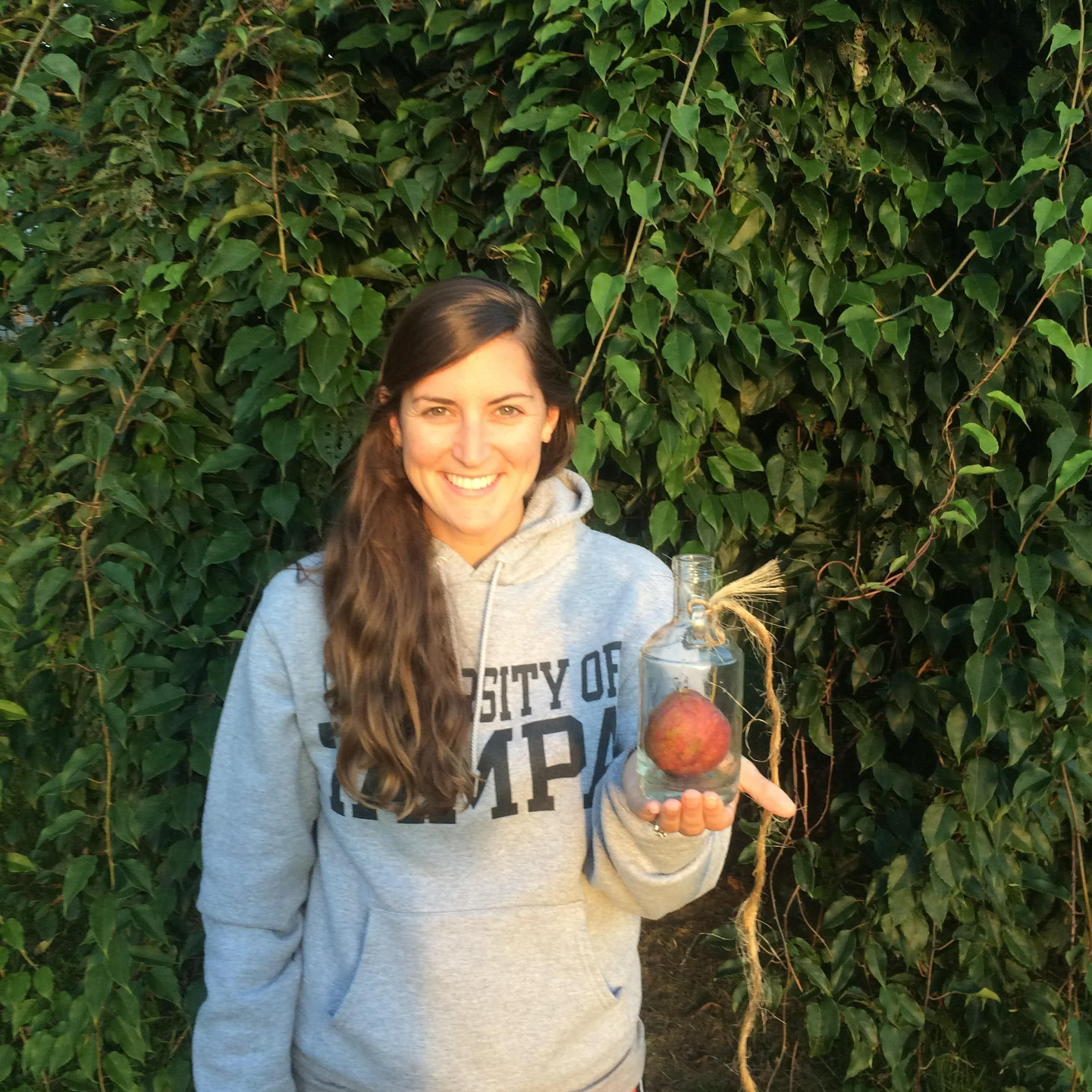
CORTNI STAHL
Cortni Stahl is the co-owner and head cidermaker of Star Cider in Canandaigua, New York, where she crafts a diverse portfolio of ciders inspired by old-world cider-making traditions and the agricultural heritage of the Finger Lakes.
She and her husband, Adam, founded Star Cider in 2014, beginning with small-batch cider made in their basement before taking the leap to downsize their home, renovate an Airstream trailer, and build their cidery and tasting room with help from family and friends.
Their tree-to-tap philosophy reflects a deep commitment to local agriculture, sustainable sourcing, and thoughtful fermentation.

CHRIS GERLING
Chris Gerling is a Senior Extension Associate in the Department of Food Science at Cornell AgriTech in Geneva, NY. He works with the craft beverage industry to create educational programs that support the growth and improved quality of premium wines, ciders, and distilled spirits.
He manages the Vinification & Brewing Technology Lab, where fermentations are conducted for research projects and industry trials, as well as the Cornell Craft Beverage Analysis Lab, where products may be submitted for troubleshooting, routine analysis, or sensory appraisal.
WHY LEARN WITH CIDER INSTITUTE?
The Cider Institute provides research-based education for cider and perry producers around the world.
Our courses are developed with input from experienced cider professionals and educators, helping learners build practical knowledge grounded in real-world production.